
Korjenić-Neorić Armorial: Difference between revisions
No edit summary |
No edit summary |
||
| Line 33: | Line 33: | ||
<gallery mode="nolines" caption="" align=center style= "color: #292929;font-size:1.2em;font-weight: normal;text-align:center;font-style: normal;"> | <gallery mode="nolines" caption="" align=center style= "color: #292929;font-size:1.2em;font-weight: normal;text-align:center;font-style: normal;"> | ||
Croatia 1458-1490.svg | Croatia 1458-1490.svg | ||
Kotromanic Korenic-Neoric.svg | |||
Serbia Korenic-Neoric.svg | Serbia Korenic-Neoric.svg | ||
</gallery> | </gallery> | ||
| Line 47: | Line 47: | ||
<gallery mode="nolines" caption="Houses" align=center style= "color: #292929;font-size:1.2em;font-weight: normal;text-align:center;font-style: normal;"> | <gallery mode="nolines" caption="Houses" align=center style= "color: #292929;font-size:1.2em;font-weight: normal;text-align:center;font-style: normal;"> | ||
Kotromanic Korenic-Neoric.svg|17. House of Kotromanic | |||
Nemanjic.svg|18. House of Nemanjic | Nemanjic.svg|18. House of Nemanjic | ||
Mrnjavcevici.svg|19. House of Mrnjavcevic | Mrnjavcevici.svg|19. House of Mrnjavcevic | ||
Revision as of 03:55, 26 April 2016
The Korenic-Neoric Armorial is a 1595 copy of the lost original of the Ohmucevic Armorial commissioned by Petar Ohmucevic, a Spanish admiral of Ragusan origin, at some point between 1584 and 1594.
It is an example of the "Interconfessional" form of Illyrism, which formed the ideological basis for the later rise of nationalism in the South-Eastern Europe.
The armorial combines historical (late medieval) with fictional coats of arms to construct the notion of an "Illyrian Empire".
- The Tsar
-

5. Stephen Dusan Nemanjic
Tsar of Serbia

- Kingdoms
-

6. Kingdom of Macedonia
-
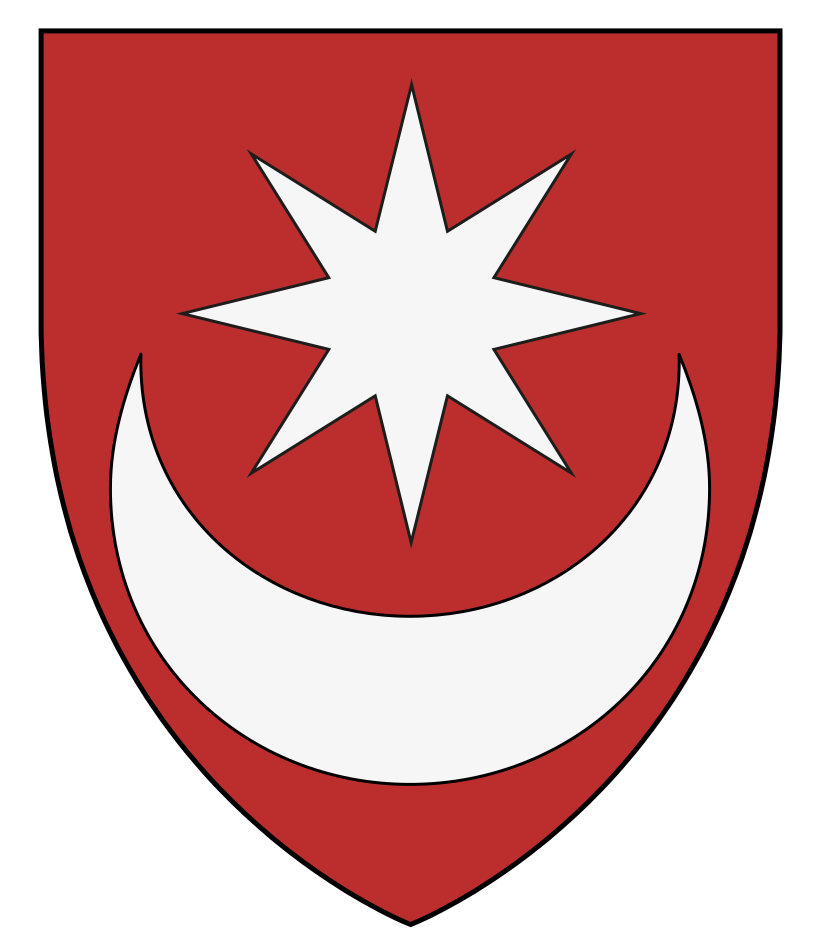
7. Kingdom of Illyria
-
8. Kingdom of Bosnia
-

9. Kingdom of Dalmatia
-

10. Kingdom of Croatia
-
11. Kingdom of Slavonia
-
12. Kingdom of Bulgaria
-
13. Kingdom of Serbia
-

14. Kingdom of Rascia
-

15. Kingdom of Primorje


- Tsar of Serbia
-
-

-
16. Insignia of Stephen Uros IV
- Houses
-
17. House of Kotromanic
-

18. House of Nemanjic
-

19. House of Mrnjavcevic
-

20. House of Tvrtkovic
-

21. House of Hrebeljanovic
-

22. House of Brankovic
-

23. House of Kristic
-

24. House of Kastriotic
Kastrioti -

25. House of Crnojevic
-
26. House of Balsic
-

27. House of Kosacic
Kosaca -
28. House of Hrvojevic
Hrvatinic -

29. House of Jablanic
-

30. House of Simrakovic
-
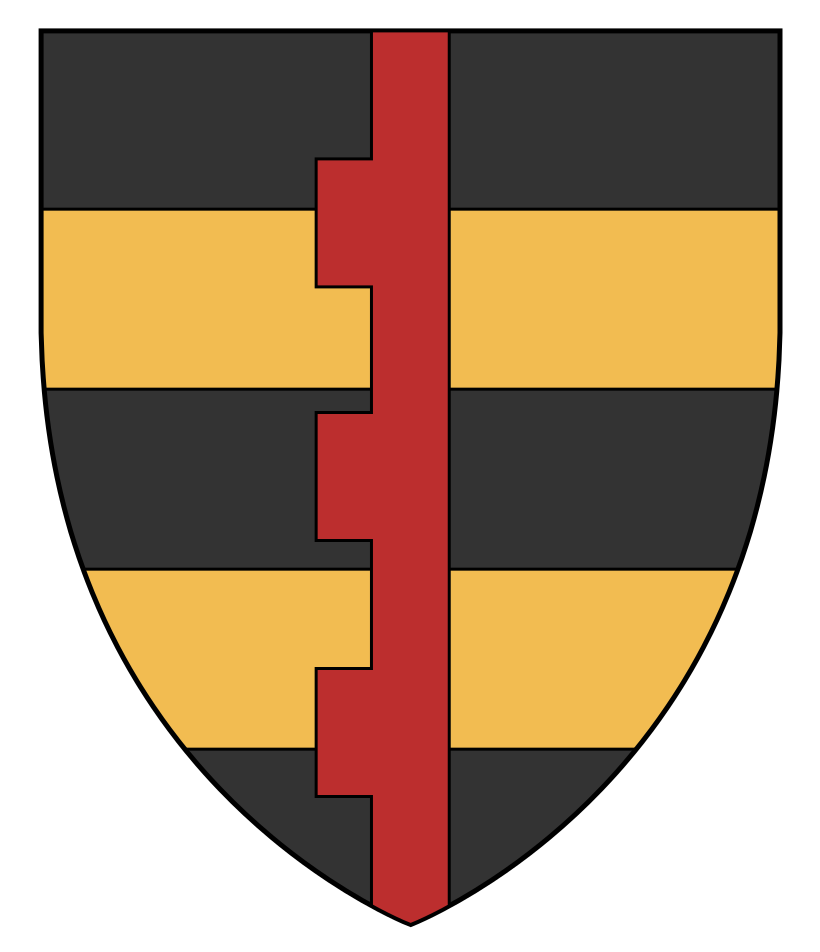
31. House of Ohmucevic
-

32. House of Burmasovic
-

33. House of Kovacic
-

34. House of Kostanjic
-

35. House of Kacic
-

36. House of Vojinovic
-
37. House of Zvijezdic
-
38. House of Vladimirovic
-
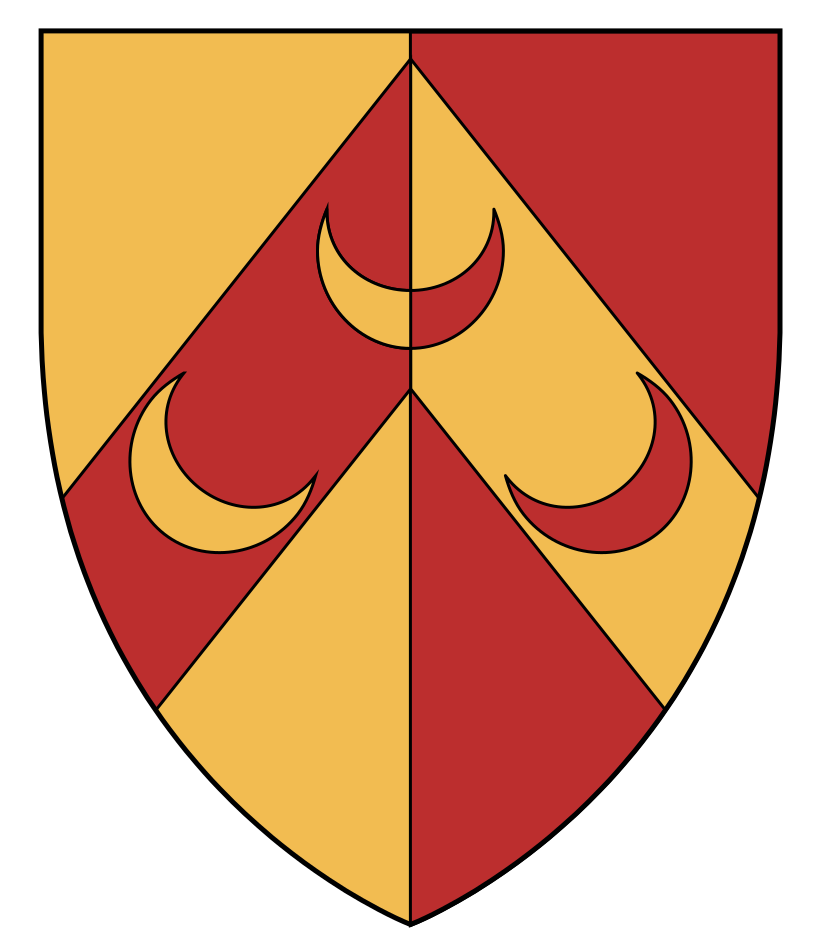
39. House of Zlatonosovic
-

40. House of Bogasinovic
-

41. House of Kopjevic
-

42. House of Dukadjinovic
Dukagjini -

43. House of Tasovcic
-

44. House of Zoranovic
-

45. House of Cihoric
-

46. House of Novakovic
-
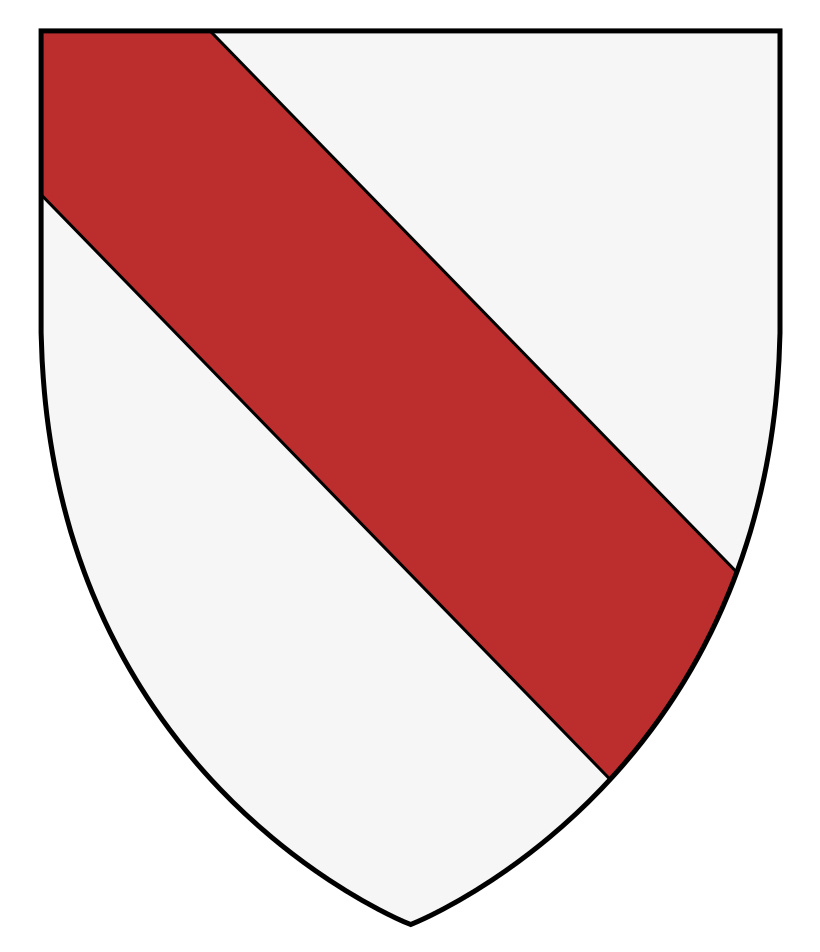
47. House of Radijelovic
-

48. House of Zarkojevic
-

49. House of Bilosevic
-

50. House of Bosnic
-

51. House of Bisalic
-

52. House of Matejkovic
-

53. House of Grupkovic
-

54. House of Resic
-

55. House of Diknic
-

56. House of Oblacic
-
57. House of Sojmirovic
-

58. House of Sladojevic
-

59. House of Kopcic
-

60. House of Drazojevic
-

61. House of Gojkovic
-

62. House of Rupcic
-
63. House of Mokrovlasic
-

64. House of Miljenovic
-
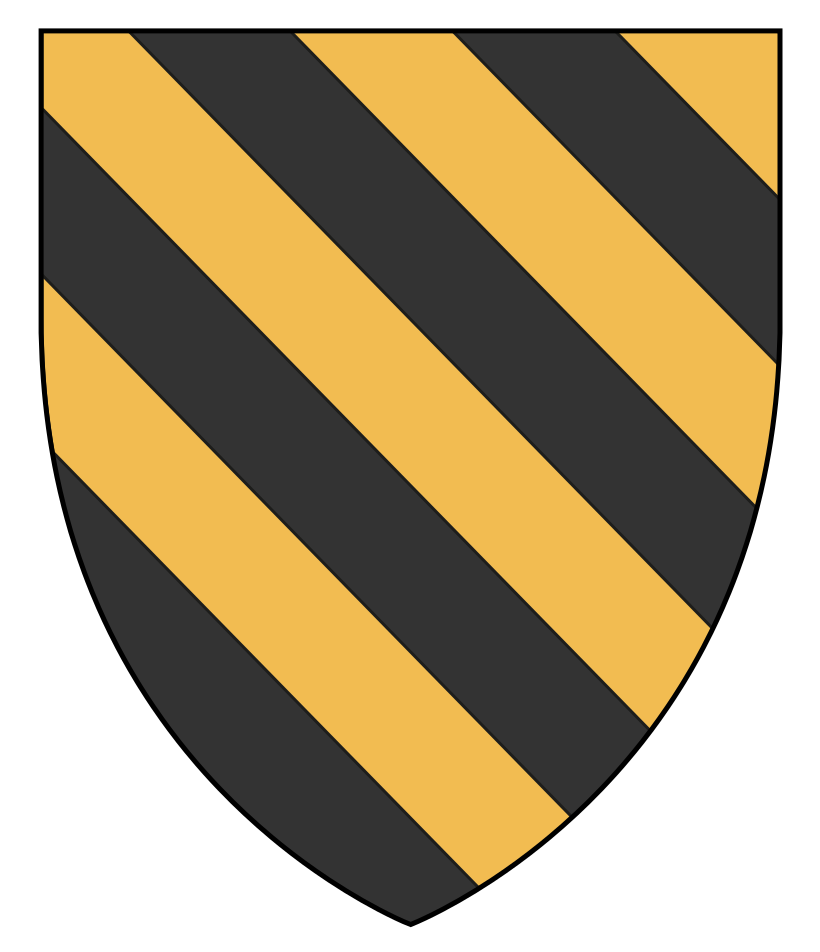
65. House of Dinjicic
-

66. House of Margitic
-

67. House of Ljubetic
-

68. House of Grubcevic
-

69. House of Sagrijelovic
-
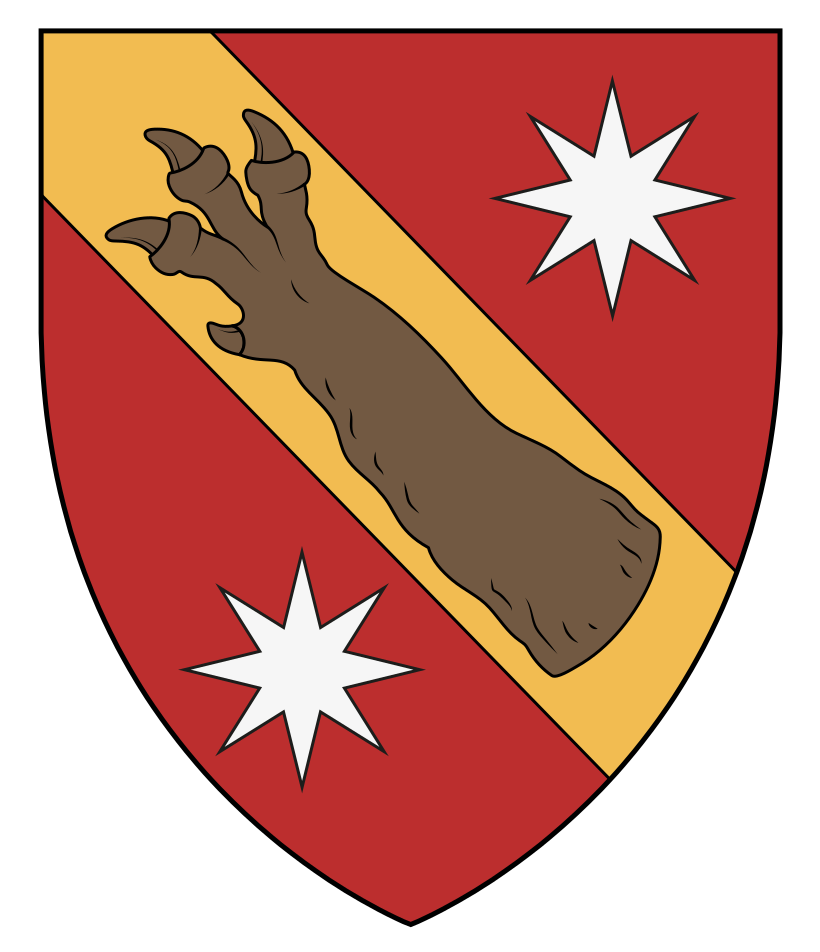
70. House of Ljubibratic
-
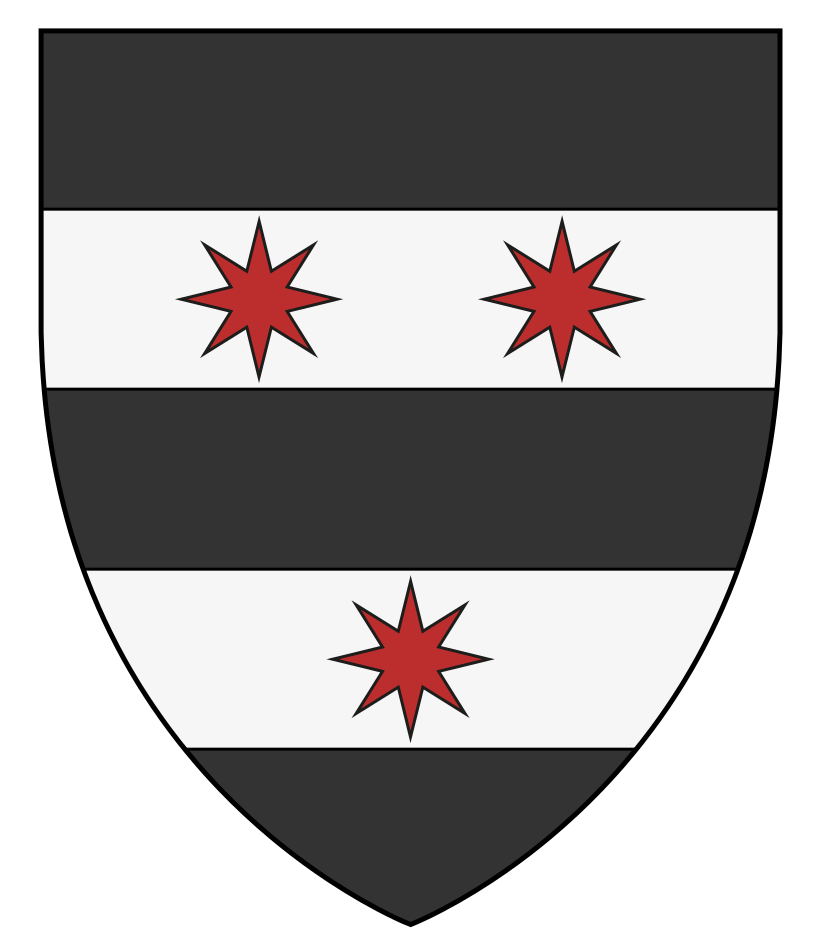
71. House of Predojevic
-

72. House of Sestokrilovic
-
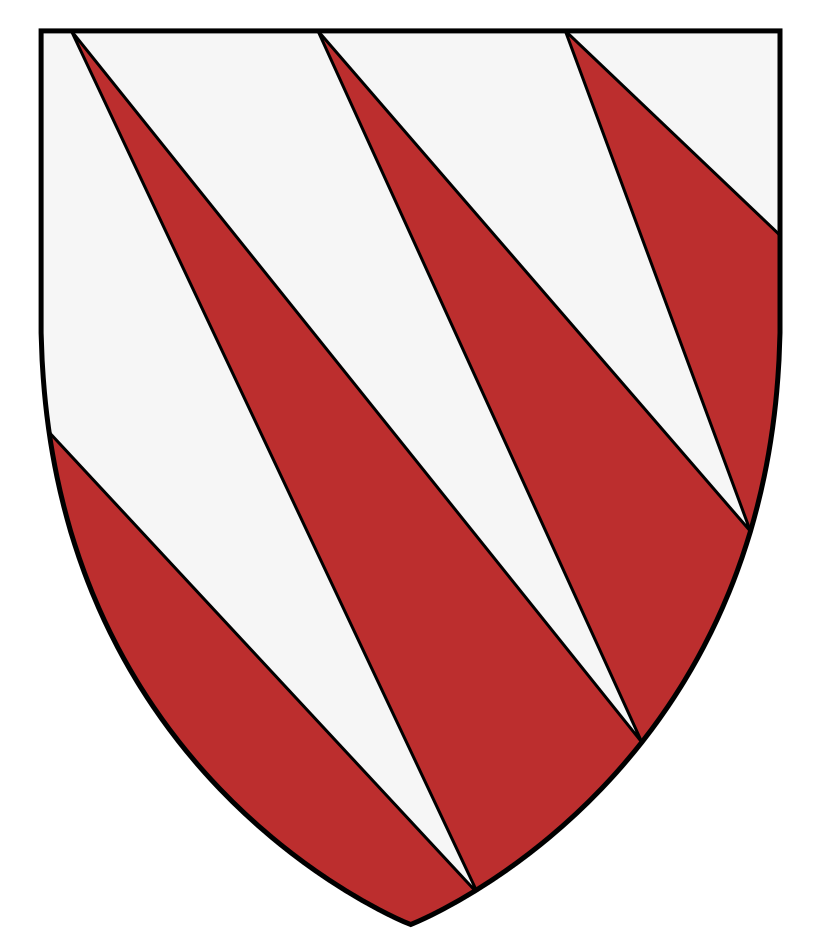
73. House of Svilojevic
-

74. House of Sitnicanic
-
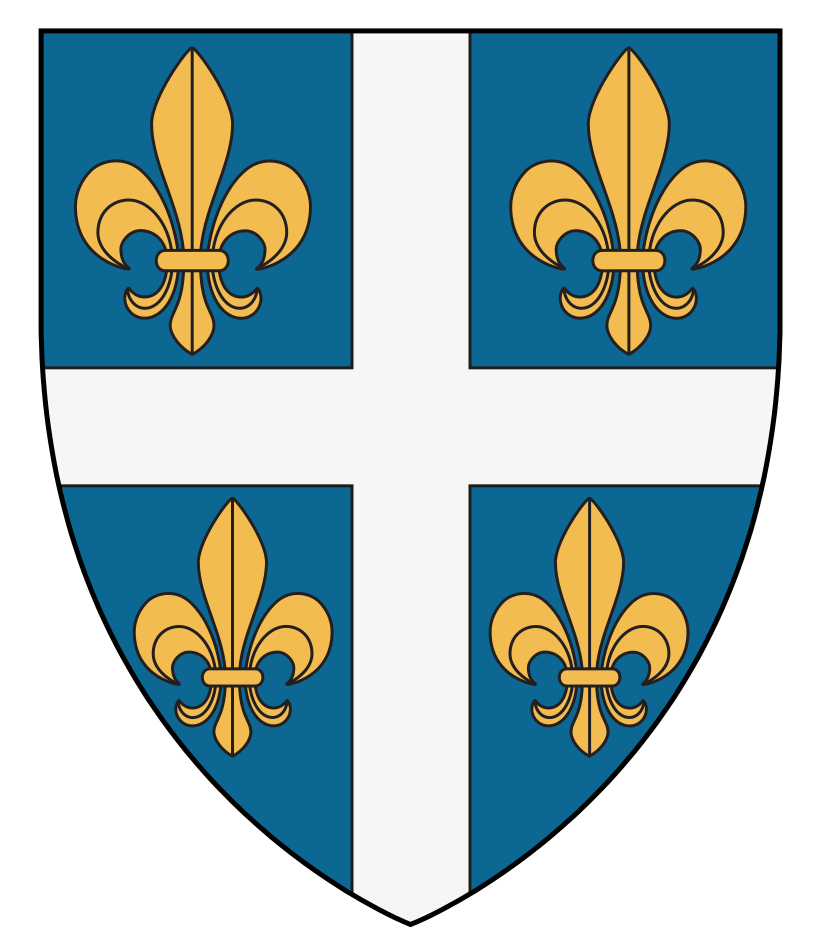
75. House of Ruzerevic
-

76. House of Sokolovic
-

77. House of Korijenic-Neoric
-

78. House of Cetinjanic
-

79. House of Zupanovic
-

80. House of Vukotic
-

81. House of Vlasic
-

82. House of Grubisic
-

83. House of Gradanovic
-
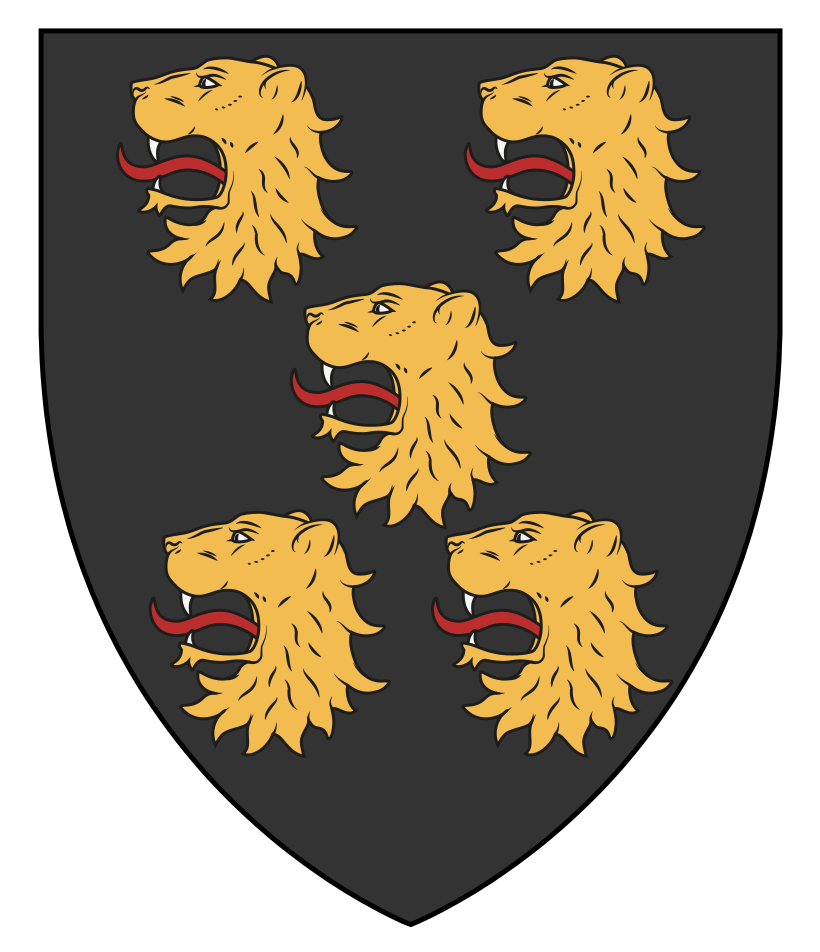
84. House of Glavic
-

85. House of Tomanovic
-
86. House of Santic
-

87. House of Zdralovic
-

88. House of Didlovic
-

89. House of Krascinovic
-

90. House of Klesic
-

91. House of Djendisaljic
-

92. House of Krizic
-

93. House of Meklinic
-

94. House of Kukretic
-

95. House of Tihcinovic
-

96. House of Tarzarovic
-

97. House of Hrabrenovic
-

98. House of Mirilovic
-

99. House of Bjelavic
-

100. House of Klupkovic
-

101. House of Debeljic
-

102. House of Jamometovic
Jamomet -

103. House of Zijic
-

104. House of Deskojevic
-

105. House of Alaupovic
-
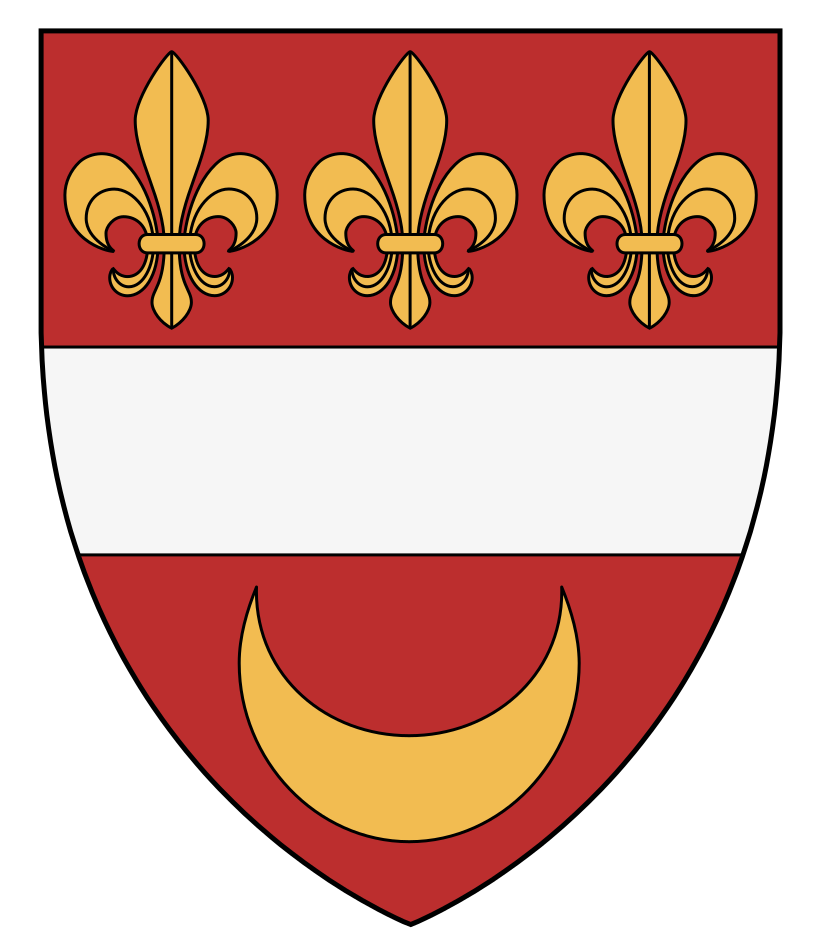
106. House of Pasacic
-
107. House of Ugrinovic
-

108. House of Stankovic
-

109. House of Sestricic
-
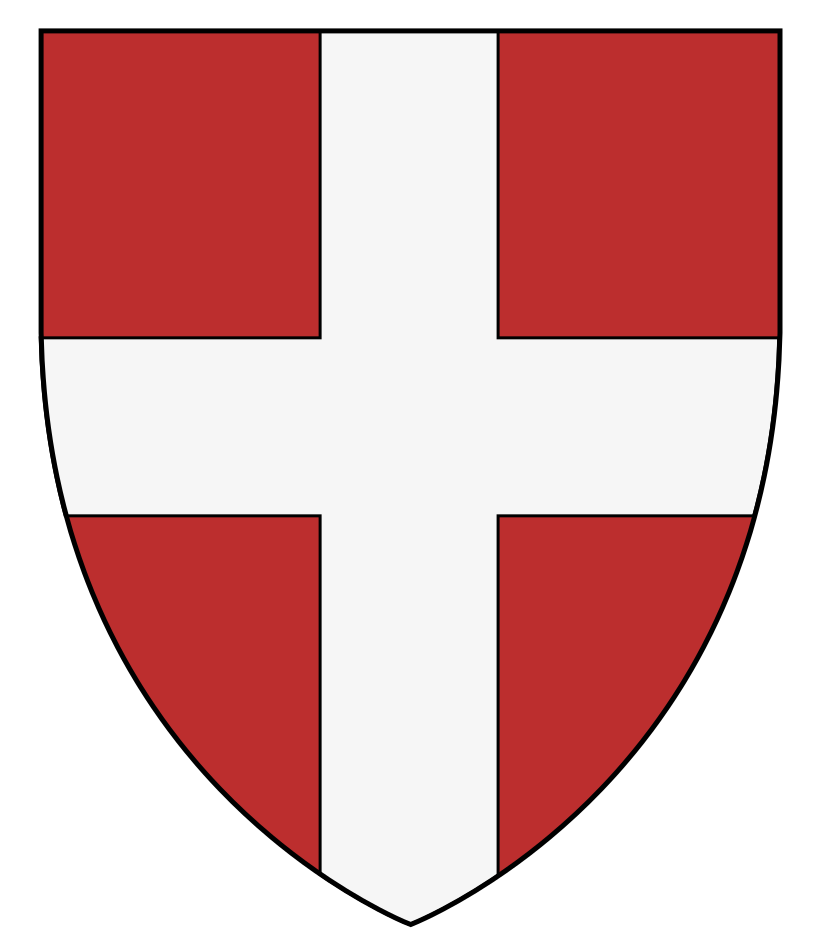
110. House of Smokronovic
-

111. House of Kutlovic
-

112. House of Parmekanovic
-

113. House of Halenic
-

114. House of Brzojevic
-

115. House of Branilovic
-

116. House of Vilic
-
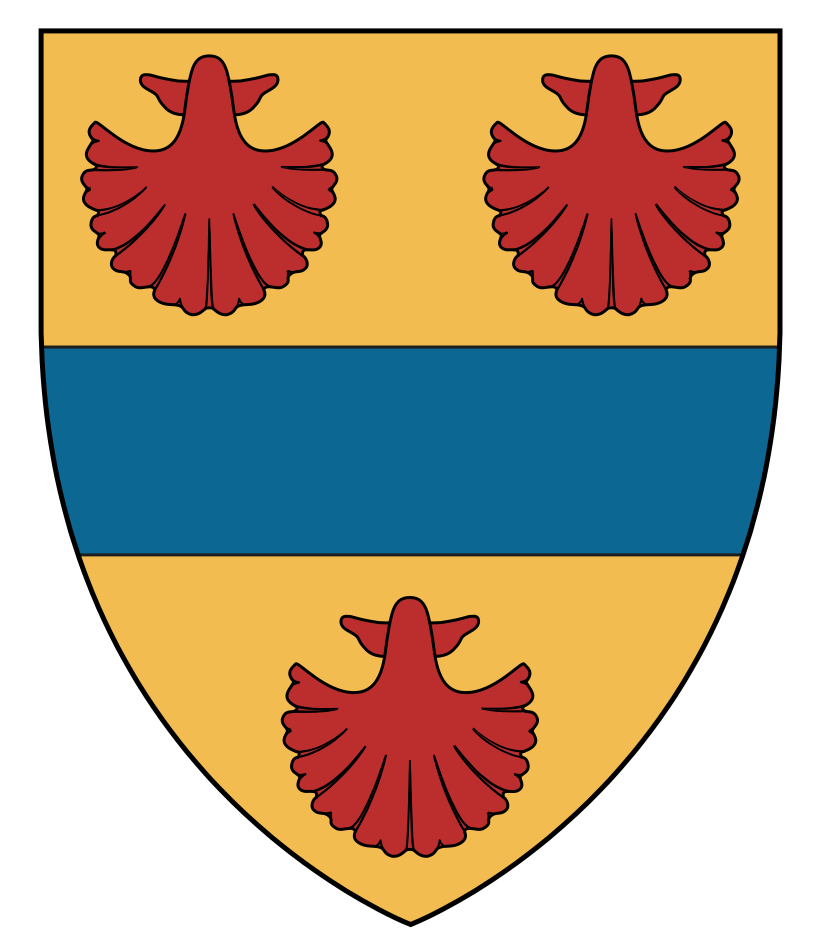
117. House of Toliscic
-

118. House of Vukovic
-

119. House of Tesevcic
-

120. House of Vojkovic
-
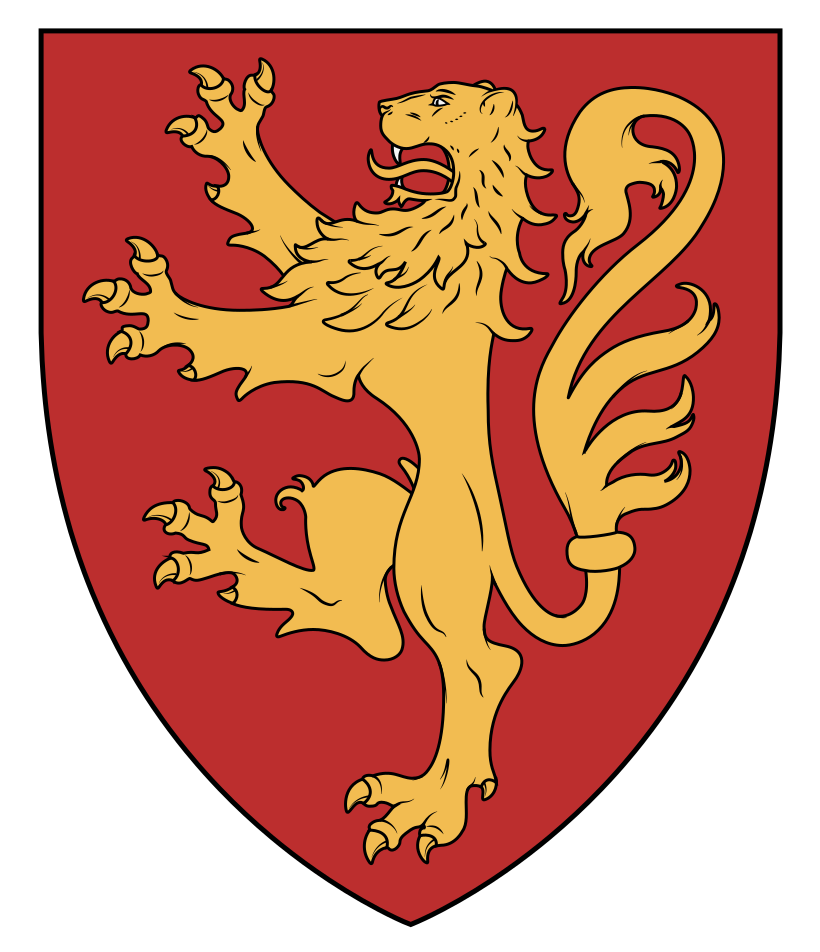
121. House of Martinusevic
-
122. House of Knezovic
-

123. House of Prokajcic
-

124. House of Kruzicevic
-

125. House of Bacic
-

126. House of Hvaokovic
-

127. House of Bibic
-

128. House of Masnovic
-

129. House of Enzeblovic
-

130. House of Mokrovic
-

131. House of Pikielomenovic
Piccolomini -

132. House of Cubretic
-

133. House of Kobilic
-

134. House of Zegligovic
-

135. House of Kosovic
-

136. House of Prelasovic
-

137. House of Kragujenic
-

138. House of Bogopankovic
-

139. House of Ljubkovic
-
140. House of Sudic
-

141. House of Ursinic
Orsini -
142. House of Krasojevic
-

143. House of Rajkovic
-

144. House of Orlovcic
-
145. House of Subic
-

146. House of Marulovic
-

147. House of Divojevic
-

148. House of Sencevic
-

149. House of Music
-

150. House of Nimicic
-

151. House of Frankopanovic
Frankopan -

152. House of Denovic
-

153. House of Bijeloperovic
-

154. House of Alinic
-

155. House of Jaksic
-

156. House of Jugovic
-

157. House of Jagrosaljic


